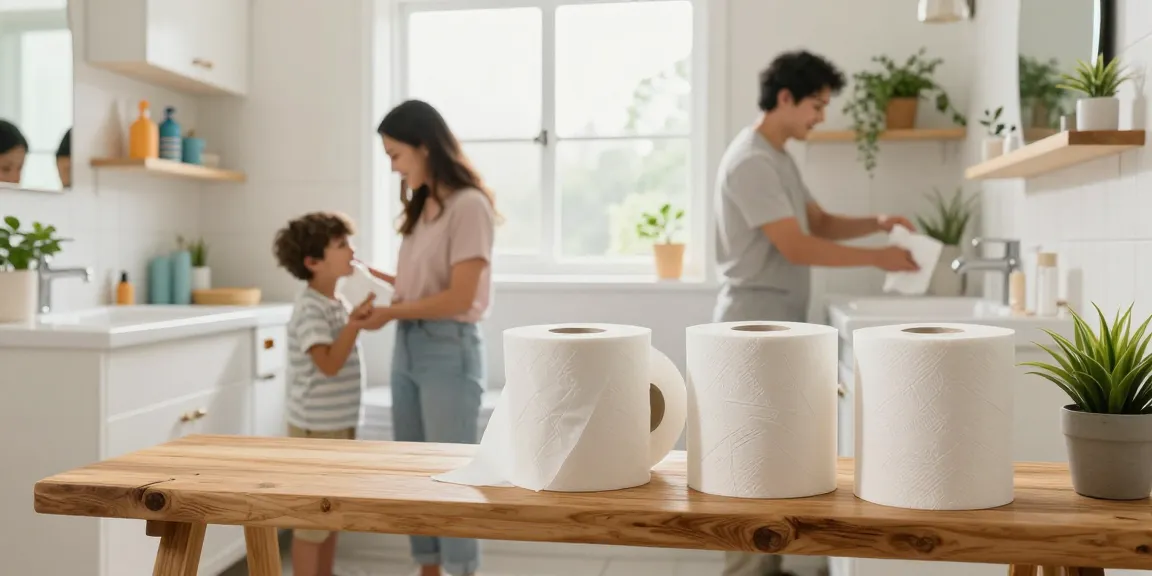
The Environmental Impact of Bamboo Toilet Tissue
As the world increasingly confronts the urgent challenges posed by climate change, the shift towards sustainable products is more critical than ever. Among these products, bamboo toilet tissue stands out as a leading choice for environmentally conscious consumers. Not only does it serve a fundamental daily need, but its production also plays a significant role in combating deforestation and promoting green living. The reality is that traditional toilet paper contributes to the destruction of vast swathes of forests, causing significant harm to ecosystems. In contrast, bamboo, a fast-growing grass, offers a sustainable alternative that helps preserve our natural resources and contributes to a healthier planet. When exploring options, Bamboo Toilet Tissue provides comprehensive insights into eco-friendly solutions that can make a difference.
Understanding Deforestation and Its Consequences
Deforestation has far-reaching implications, affecting biodiversity, climate, and even human health. Each year, the World Resources Institute estimates that approximately 10 million hectares of forest are lost to logging, agricultural expansion, and urban development. This loss not only contributes to the extinction of countless species but also accelerates climate change as trees play a crucial role in carbon sequestration.
Toilet paper is one of the leading contributors to this deforestation crisis. In the UK alone, an individual uses about 127 rolls of toilet paper annually, and the majority of these rolls are made from virgin wood pulp. This alarming statistic highlights the pressing need for sustainable alternatives.
How Bamboo Cultivation Helps Preserve Forests
Bamboo offers a sustainable solution to the alarming rate of deforestation caused by conventional wood-based toilet paper. Unlike traditional trees, which can take decades to mature, bamboo can grow to its full height in as little as a year. Furthermore, when cultivated correctly, harvesting bamboo does not destroy the plant; it regenerates and continues to grow, making it a highly sustainable resource. This regenerative ability not only allows for continuous harvesting without jeopardising the plant but also contributes to soil health and biodiversity, providing habitats for various wildlife.
Comparative Analysis: Bamboo vs. Traditional Toilet Paper
- Growth Rate: Bamboo reaches maturity in 3 to 5 years, while trees require decades.
- Environmental Impact: Bamboo farming contributes to soil preservation and reduces carbon emissions.
- Production Process: Bamboo processing uses fewer chemicals and water compared to traditional wood pulp.
Health and Comfort: The Softer Side of Bamboo Toilet Tissue
Switching to bamboo toilet tissue does not mean sacrificing comfort for sustainability. In fact, many users find bamboo products to be softer and more gentle on the skin compared to conventional toilet paper. This is particularly beneficial for those with sensitive skin or allergies. The softness of bamboo tissue makes it a suitable option for individuals, enhancing the overall bathroom experience.
Why Bamboo Toilet Tissue is Gentle on Sensitive Skin
Bamboo toilet tissue is naturally hypoallergenic, meaning it is less likely to cause skin irritation or allergic reactions. This quality stems from bamboo’s natural properties, which are devoid of harmful chemicals often found in conventional toilet paper, such as bleaching agents or synthetic fragrances. Consequently, users with delicate skin can enjoy the soothing touch of bamboo without fear of discomfort.
Common Misconceptions About the Softness of Bamboo Tissue
Despite the numerous benefits of bamboo toilet tissue, misconceptions persist. Many potential consumers assume bamboo products will be rough or less comfortable than traditional options. However, advancements in processing techniques have allowed manufacturers to produce extremely soft bamboo toilet tissue that rivals, if not exceeds, the comfort of conventional brands. This perception can be instrumental in encouraging more households to make the switch to sustainable alternatives.
Research on Allergies and Skin Reactions
Studies have shown that bamboo fabric and paper contain fewer allergens compared to those made from harmful chemicals used in standard toilet paper production. This gives users peace of mind and highlights the effectiveness of bamboo as a material for sensitive individuals. Additionally, its intrinsic antibacterial properties help minimise the risk of infections, making it a healthier choice overall.
Cost-Effectiveness of Bamboo Toilet Tissue
Adopting a sustainable lifestyle can sometimes seem financially daunting; however, bamboo toilet tissue presents a compelling case for cost-effectiveness. Many consumers are surprised to find that they can save money while making environmentally friendly choices. Subscription models, such as those offered by Tiboo, encourage regular purchases and often include discounts, making sustainable options more accessible.
Subscription Models and Long-Term Savings
With subscription services, consumers can choose deliveries every 2, 3, or 4 months, resulting in consistent savings over time. Purchasing bamboo toilet tissue in bulk can reduce the overall cost per roll, making eco-friendly solutions even more appealing to budget-conscious families. These models not only promote sustainability but also foster convenience in everyday purchasing habits.
Analyzing the Cost per Use of Eco-Friendly Options
When evaluating the cost of bamboo toilet tissue against traditional brands, it is crucial to consider the cost per use rather than just the initial purchase price. Bamboo toilet tissue often boasts higher absorbency and durability, meaning users typically require fewer sheets per visit. This efficiency leads to reduced waste and longer-lasting supplies, ultimately proving to be a smart financial choice.
Comparative Pricing: Bamboo and Conventional Brands
While initial prices may appear higher for bamboo toilet tissue, it is essential to factor in the quality and sustainability of the product. In many cases, the price difference narrows when you consider the longevity and reduced environmental impact of bamboo products. Furthermore, as demand for eco-friendly options grows, prices are expected to become more competitive in the market.
Convenience and Accessibility of Sustainable Options
As online shopping changes consumer habits, bamboo toilet tissue has become more accessible than ever. The convenience of purchasing eco-friendly products online allows consumers to make sustainable choices without the hassle of searching for them in local supermarkets. This accessibility empowers consumers to make responsible decisions from the comfort of their homes.
How Online Shopping is Changing Consumer Habits
With the rise of e-commerce, consumers are increasingly seeking eco-friendly alternatives at their fingertips. Online platforms provide extensive options for bamboo toilet tissue and other sustainable products, allowing for easy comparisons and informed decisions. This change in shopping behaviour is crucial for encouraging more individuals to consider eco-friendly purchases.
Local Availability of Bamboo Toilet Tissue Products
As awareness about the benefits of bamboo toilet tissue increases, many local stores are beginning to stock these products. This shift reflects a broader consumer trend towards sustainability, making it easier for shoppers to access bamboo products without the need for extensive online searches. By supporting local retailers who offer eco-friendly options, consumers contribute to a more sustainable economy.
Combining Bamboo Toilet Tissue with Other Eco-Friendly Products
Utilising bamboo toilet tissue as part of a broader sustainable lifestyle can make a significant environmental impact. Pairing bamboo products with other eco-friendly alternatives, such as biodegradable kitchen rolls and compostable bags, strengthens the movement towards sustainability. This holistic approach not only reduces waste but also encourages a shift in consumer culture towards more responsible consumption patterns.
Future Trends in Eco-Friendly Bathroom Products
The landscape of bathroom products is evolving rapidly as more consumers seek sustainable alternatives. As awareness grows, we can expect innovative solutions that not only enhance sustainability but also improve the consumer experience. Companies are actively investing in research and development to create even more eco-conscious products that cater to the changing demands of consumers.
Innovations in Sustainable Manufacturing Processes
Manufacturers of bamboo toilet tissue are adopting advanced technologies to streamline production processes, reduce waste, and enhance the sustainability of their offerings. Innovations such as water-efficient processing and eco-friendly packaging are becoming commonplace, making bamboo products even more appealing. These developments illustrate a commitment to continual improvement in sustainability practices across the industry.
Consumer Demand Shifts Toward Bamboo Products by 2026
Market research indicates a significant shift in consumer demand towards bamboo products in the coming years. By 2026, it is anticipated that bamboo toilet tissue will become a staple in households as more consumers prioritise eco-friendliness over traditional options. This trend mirrors a larger movement focusing on sustainable living across various sectors.
Expert Predictions: The Future of Eco-Friendly Tissue
Experts predict that the future of tissue products will heavily favour sustainable materials, with bamboo leading the charge. As environmental concerns continue to rise, consumer preferences will shift towards eco-friendly alternatives that don’t compromise on quality or comfort. This ongoing transition represents not just a trend but a fundamental change in consumer values regarding sustainability.
What Makes Bamboo Toilet Tissue an Essential Choice?
Bamboo toilet tissue is more than just a product; it represents a lifestyle choice centred on sustainability and environmental responsibility. By opting for bamboo, consumers actively participate in the preservation of forests and reduction of carbon footprints. Its gentle composition, cost-effectiveness, and emerging market trends position bamboo toilet tissue as an essential item for eco-conscious families.